ESNAU Farming Input Savings Platform (Tihlele Mlimi)
Planned savings for timely access to production inputs.
Learn MoreMarket Linkages & Bulk Marketing of Produce
Connecting farmers to reliable and profitable markets.
Learn MoreBusiness Plans Development for Farmer Groups
Helping farmer groups become market and finance ready.
Learn MoreESNAU Farming Input Program
Project-based support to improve input access and productivity.
Learn More
Policy Advocacy
On its establishment, the Union’s first priority was to be the farmers’ advocate on policy reforms. The Union aims to promote and safeguard the interests of farmers in Eswatini by linking them with stakeholders, and facilitating a favourable environment for production, access to land, water, markets, research, and technology for improved livelihoods. The Union holds policy workshops from time to time, and also attends stakeholder invitations. Most recently, the Union organized and facilitated independent farmers’ dialogues on food systems at regional and national level. These included stakeholders such as SACAU, FAO, WFP, UNICEF, and the Deputy Prime Minister’s Office. The Union has also organized and facilitated regional shows for farmers and farmer enterprises to enhance profitability.
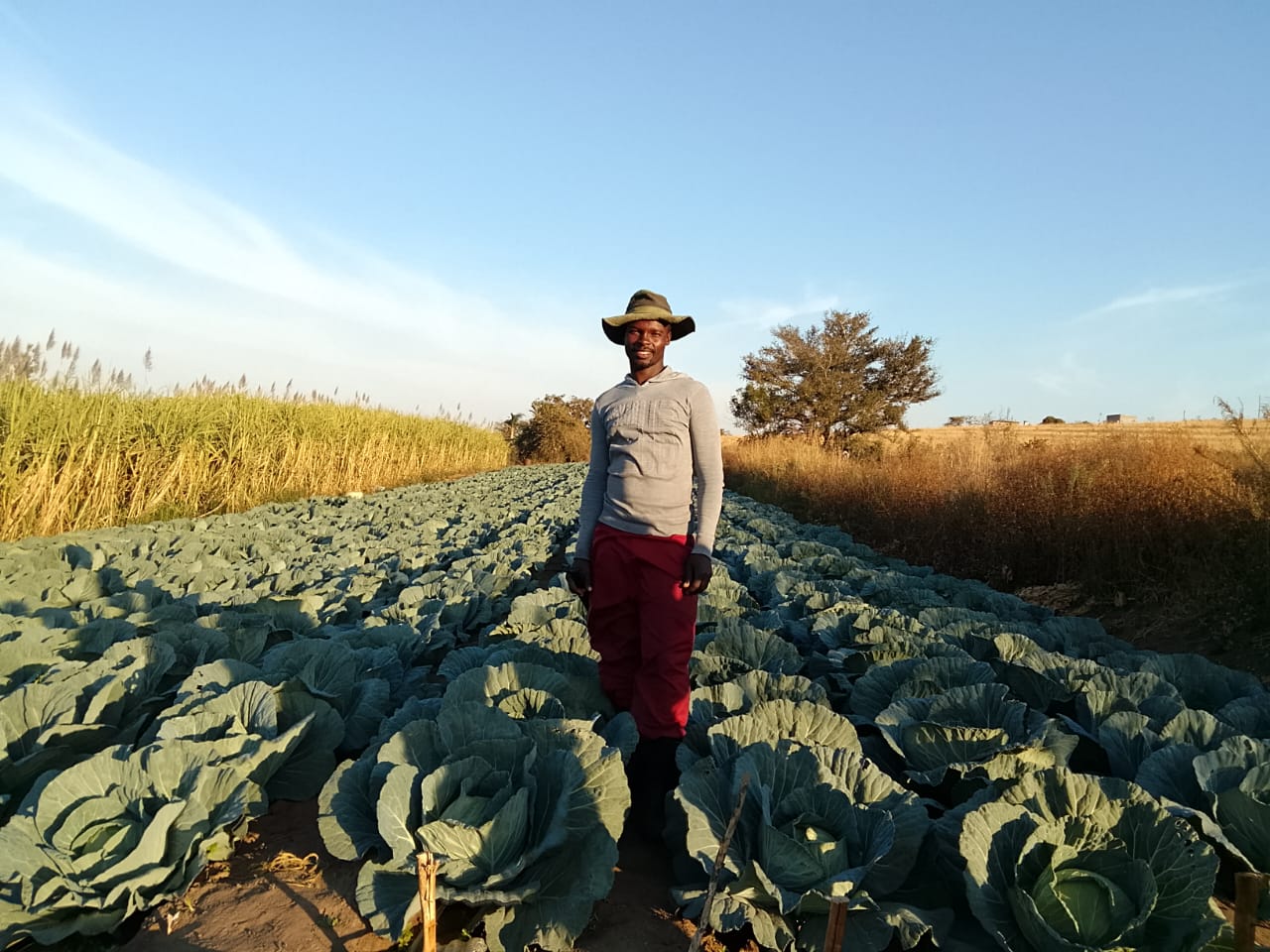
ESNAU Farming Input Savings Platform (Tihlele Mlimi)
The ESNAU Farming Input Savings Platform (Tihlele Mlimi) supports farmers to prepare ahead of the season by saving for key production inputs. Through this service, farmers strengthen readiness, reduce delays at planting time, and improve production planning. The platform complements other ESNAU services and strengthens farmers’ ability to access required inputs when they need them most.
Farming Input Access
Bulk purchasing of farming inputs for member farmers helps attain economies of scale. The promotion of farmer groups is key in helping farmers minimize production input costs. Through the Government Input Subsidy, the ESNAU input savings platform, and projects such as the ESNAU Farming Input Program, the Union has helped over 1,000 farmers yearly to access inputs and receive delivery in time for planting.

Market Linkages & Bulk Marketing of Produce
Markets require constant and reliable supply of produce. This is most attainable when farmers work in groups, and the Union helps farmers market their produce in bulk by linking them with available markets. Most recently, the Union worked with the World Food Programme (WFP) in the Home-Grown School Feeding Programme. The Union formed and registered farmer groups as cooperatives and linked them with WFP to supply produce. The seven farmer groups already linked with WFP supply over 320 MT of dry white maize, and sold an additional 450 MT to local millers.

Finance Linkages
The Union endeavours to meet farmers’ needs not only technically but also financially by linking them with suitable and affordable products from reliable financial institutions. The Union has linked Shiselweni livestock farmers with Eswatini Bank for financial support, where over 90% of farmers produced sustainably and repaid loans in full. This relationship has been renewed with another cooperative receiving a loan to produce white maize on over ten hectares. The Union also supports international linkage opportunities, including business planning support for cooperatives seeking funds from GrowAfrica and the Ministry of Agriculture. To keep and develop these relationships, financial institutions and insurers are invited to Union events such as agricultural shows.

Funeral Policy
The pandemic COVID-19 worsened the risks farmers are facing and spotlighted their vulnerability. While the Union supports farmers toward self-sustainability in production, many members remain socially underprivileged and lack family support during bereavement. The ESNAU funeral scheme is a service formed through Eswatini Royal Insurance Company (ESRIC), designed exclusively for member farmers, including destitute small-holder individual farmers. Due to the pandemic and daily risks farmers face, the scheme was designed with no waiting period. In the wake of unfortunate events, a member benefits with a cover amount of E5000. The ESNAU funeral scheme began with 80 farmers in the Hhohho region in 2020 and now stands to benefit over 180 farmers from across the nation.

Business Plans Development for Farmer Groups
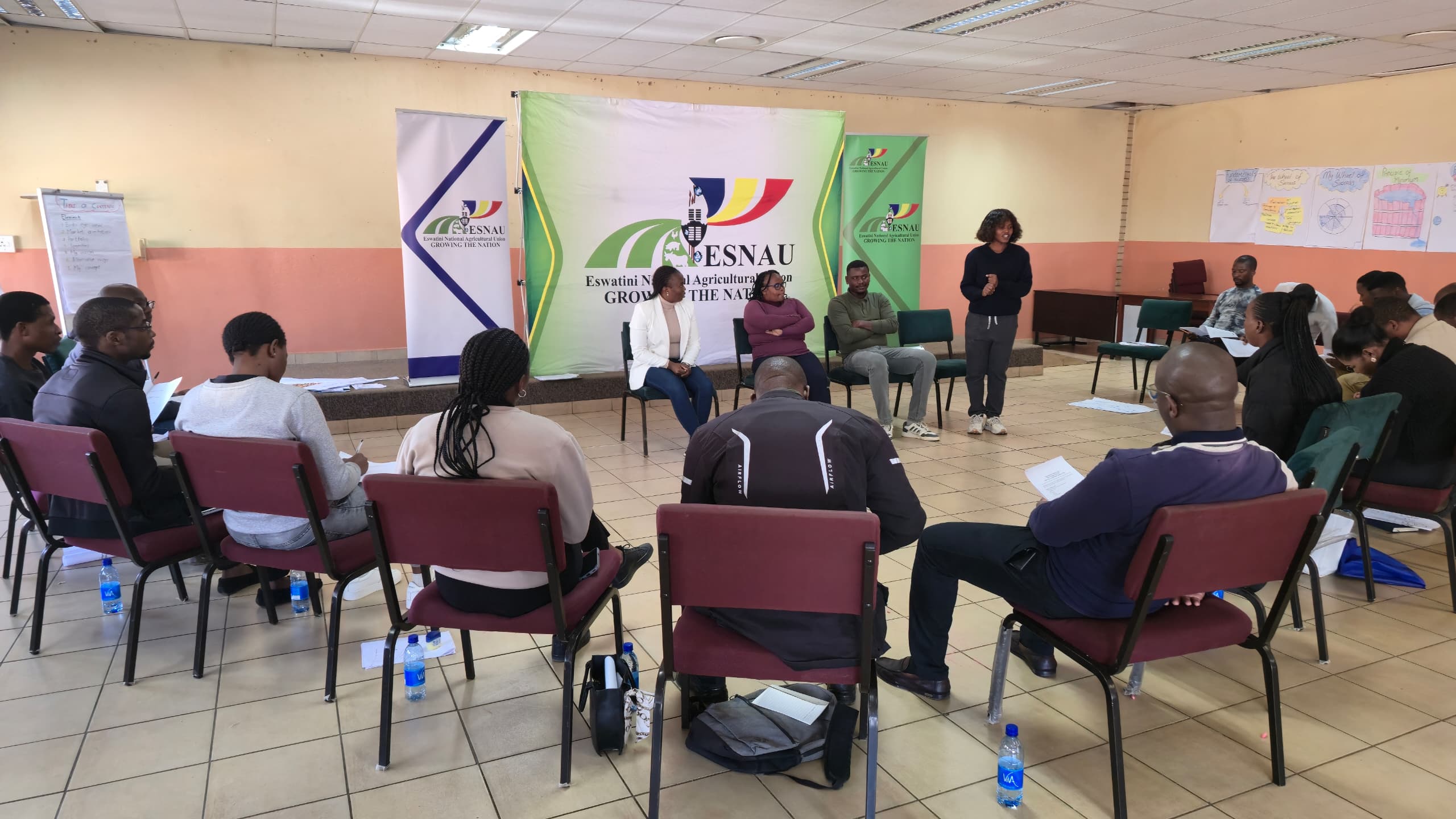
Farmers are encouraged to work together so that their voice can be heard. They are equipped with knowledge and assisted to develop business plans that they can implement to be recognized by big markets and financial institutions. The development of business plans is preceded by training on how to develop such plans. During development, farmers are expected to take the lead with guidance from the Union’s relevant officers.

Trainings
Group Trainings, Mentorship & Supervision: - Governance - Management - Group dynamics Farmer Trainings: - Production, marketing and market standards - Business planning - Financial literacy - Planning & budgeting - Market negotiations and contract management

ESNAU Farming Input Program
Through project-based interventions such as the ESNAU Farming Input Program, the Union continues to improve farmer access to essential inputs and coordinated support services that strengthen productivity and food security outcomes.
 ESNAU
ESNAUEmpowering farmers through advocacy, training, and sustainable development across Eswatini and beyond.
Newsletter
Stay up to date with ESNAU news, events, and opportunities.